

 English
 日本語
日本語 русский
 简体中文
简体中文
Компания придерживается корпоративного принципа «качество прежде всего, клиент прежде всего» и искренне приглашает отечественных и зарубежных клиентов посетить и направить их.
ПОЛУЧИТЬ ЦЕНУ
A демпфер вязкостного трения работает тихо по сравнению с амортизаторами, в которых используются податливые металлические или фрикционные пластины — после землетрясения нет видимой деформации, нет компонентов, подлежащих замене, только поршень, движущийся в жидкости. Именно эта внешняя простота делает внутреннюю механику жидкости достойной понимания, поскольку почти все, что касается работы устройства, связано с тем, как эта жидкость ведет себя при движении.
Внутри демпфера вязкого трения поршень движется через цилиндр, заполненный вязкой средой, и сопротивление увеличивается по мере того, как жидкость проталкивается через отверстия в головке поршня. Зависимость обычно выражается как сила, равная коэффициенту демпфирования, умноженному на скорость, возведенную в показатель степени, зависящий от скорости, поэтому выходная сила отслеживает скорость движения, а не только смещение. Эта зависимость от скорости также отличает этот тип демпфера от устройств, основанных на смещении, таких как металлические или фрикционные демпферы, у которых кривая силы выглядит скорее прямоугольной, чем изогнутой.
Жидкость внутри демпфера вязкого трения обычно представляет собой среду на основе силикона, выбранную из-за низкого температурного коэффициента вязкости, что означает, что ее поведение демпфирования остается относительно постоянным, независимо от того, испытывает ли конструкция холодную зимнюю ночь или устойчивую летнюю жару. Составы силиконовых жидкостей, используемые в этом приложении, обычно рассчитаны на широкий рабочий диапазон, часто называемый примерно от минус пятидесяти до плюс двухсот пятидесяти градусов Цельсия, а также обладают хорошей электроизоляцией и устойчивостью к воздействию озона и короны - свойства, которые имеют большее значение при наружной или открытой установке, чем в помещении с контролируемой температурой.
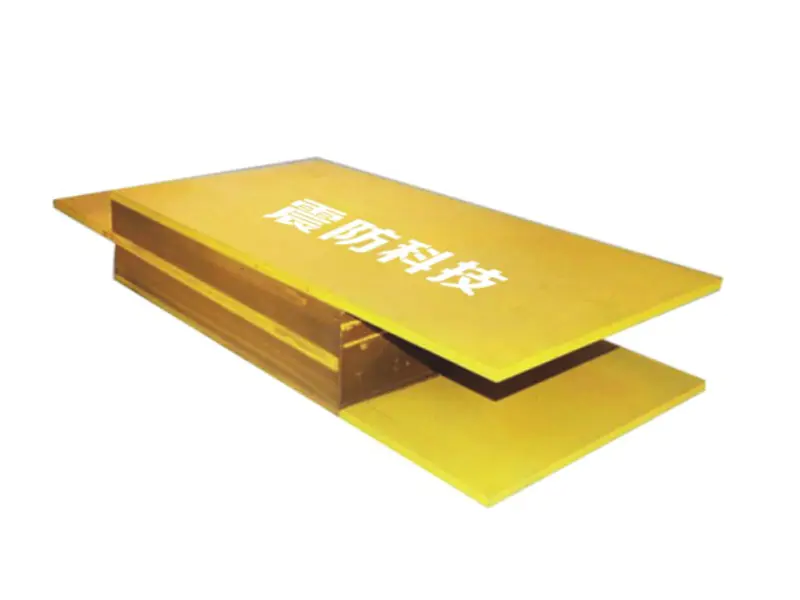
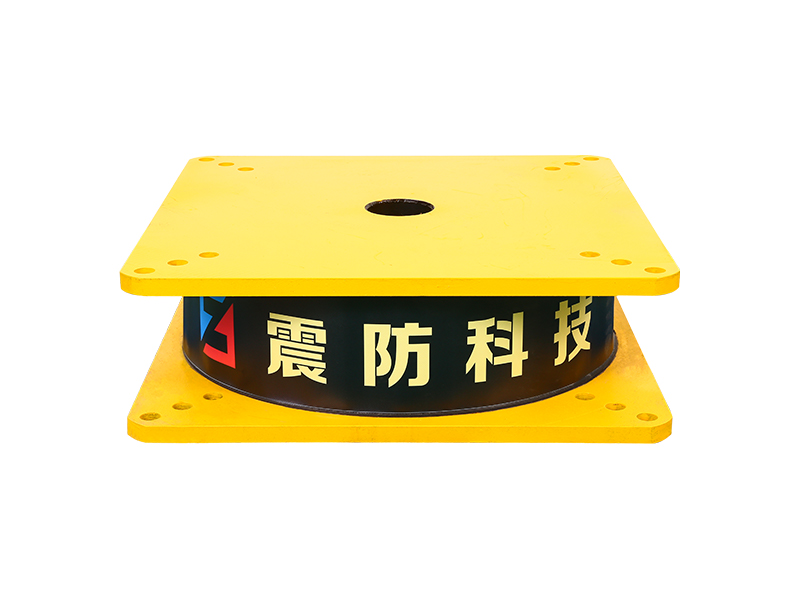
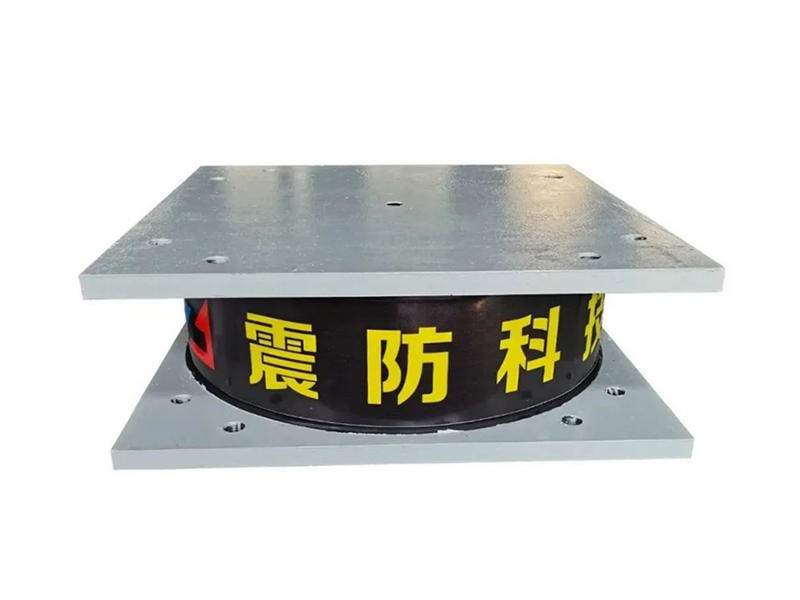
Точность изготовления на уровне поршня и отверстия — это то, где конструкция демпфера вязкого трения переводится из теории в стабильные эксплуатационные характеристики. Размер отверстия определяет, насколько быстро жидкость может проходить с одной стороны поршня на другую, что напрямую формирует кривую сила-скорость, создаваемую демпфером. Качество уплотнения вокруг штока поршня также имеет значение в долгосрочной перспективе, поскольку устройство, как правило, считается необслуживаемым в течение всего срока службы, что оказывает давление на допуски уплотнения и цилиндра, чтобы они могли выдерживать периодическое обслуживание.
Демпфер вязкого трения обычно размещается там, где конструкция должна рассеивать относительное движение между двумя соединенными элементами — диагональными распорками, боковыми опорами между этажами или соединениями между соседними конструкциями, которые по-разному движутся во время землетрясения. Помимо работ по модернизации сейсмостойких зданий, эта категория демпферов также встречается в мостовых конструкциях и промышленных трубопроводных системах, где вибрацию от оборудования или потока жидкости необходимо контролировать, а не передавать через опорную конструкцию.
Для инженеров-строителей и разработчиков проектов, выбирающих демпфер вязкостного трения, полезными точками сравнения являются номинальный коэффициент демпфирования и показатель скорости относительно ожидаемого диапазона движения, допуск рабочей температуры для среды установки, длина хода в зависимости от ожидаемого смещения конструкции и тип торцевого соединения для предполагаемой конфигурации раскосов. Покупатели, работающие с несколькими типами зданий, также могут сравнить, как стандартные размеры демпферов производителя сопоставляются с распространенной геометрией распорок, поскольку соответствие готового блока конструкции конструкции может упростить как проектирование, так и установку.
Поскольку каждая конструкция генерирует различную комбинацию ожидаемого смещения и скорости во время землетрясения или ветра, мощность демпфера редко является универсальной спецификацией. Компания Zhejiang Earthquake Prevention Technology Co., Ltd., расположенная в округе Саньмэнь провинции Чжэцзян, при поддержке технической группы, связанной с национальными сейсмическими исследовательскими институтами, производит свою серию JZN с широким диапазоном коэффициентов демпфирования и длины хода, чтобы демпфер вязкостного трения размер может быть выбран в соответствии со структурным анализом конкретного проекта, а не выбран из фиксированной записи каталога.
На практике демпфирование на основе жидкости остается вопросом материалов и производства в такой же степени, как и вопрос конструкции: геометрия отверстия и среда внутри цилиндра так же влияют на реальную производительность, как и конфигурация крепления.
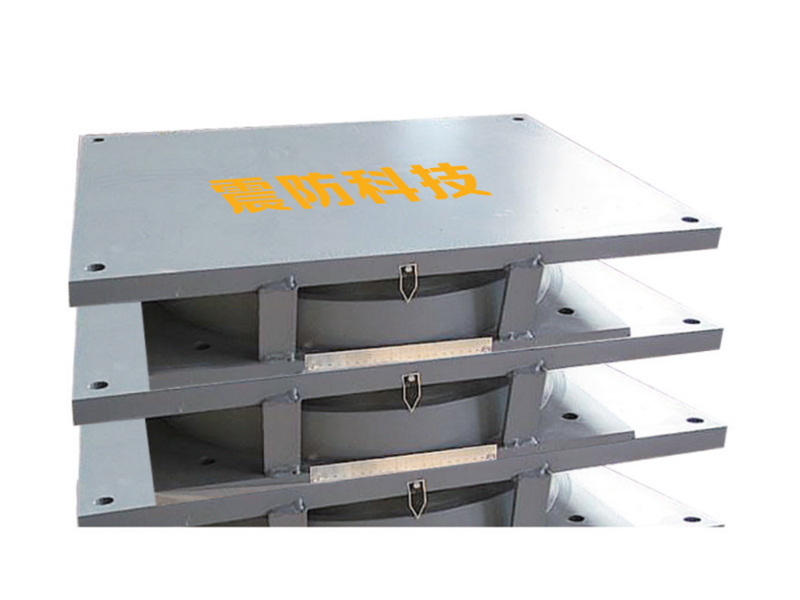
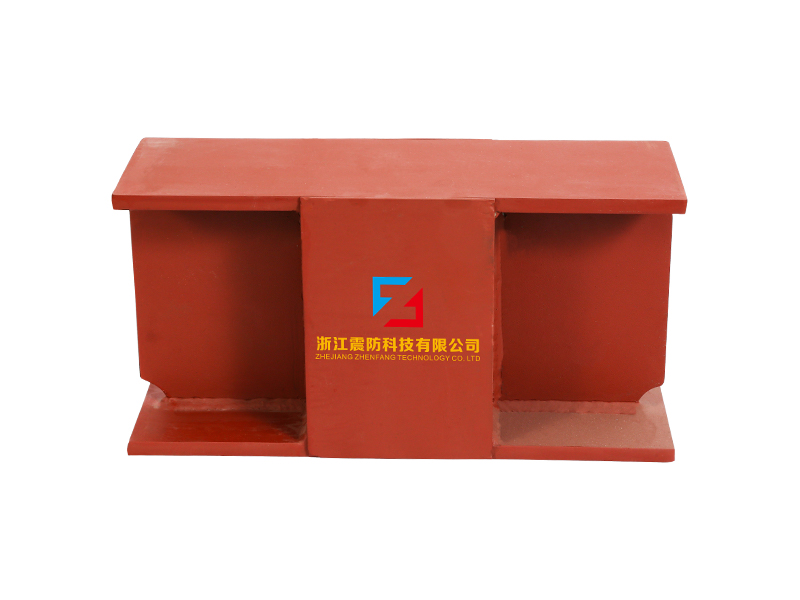
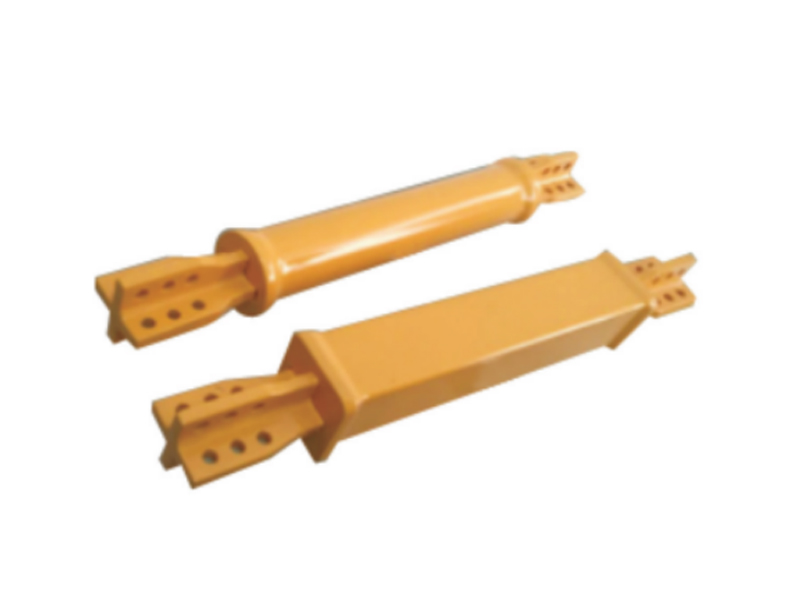
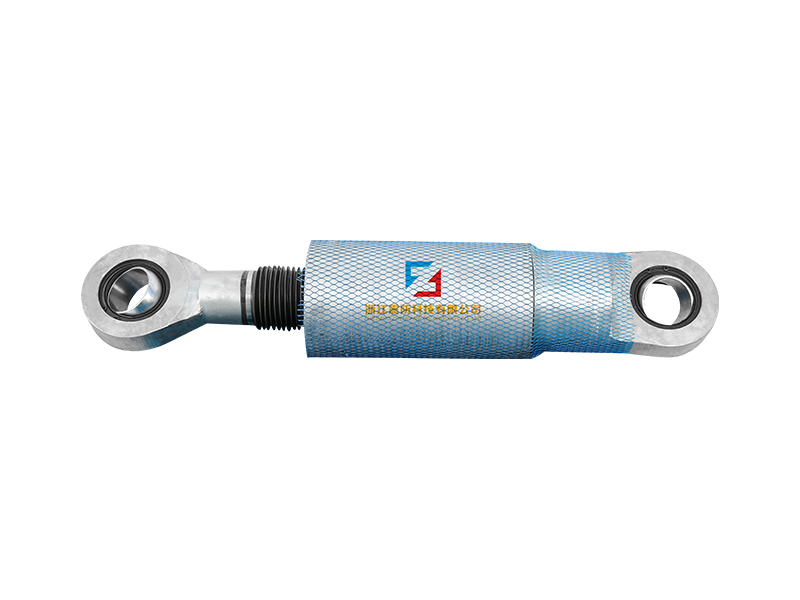

Компания придерживается корпоративного принципа «качество прежде всего, клиент прежде всего» и искренне приглашает отечественных и зарубежных клиентов посетить и направить их.
ПОЛУЧИТЬ ЦЕНУ
Добавлять: No. 359 Guangming West Road, Sanmen County, Taizhou City, Zhejiang Province, China
Менеджер по международной торговле: Мэдисон
Электронная почта: [email protected]
Тел./WhatsApp:+86-17857335842
Авторские права © Zhejiang Earthquake Prevention Technology Co., Ltd. Все права защищены.
